FomoDejavu Blog | Financial Literacy, Investing Lessons & Market History
Learn about dividends, how to spread money across different investments, and smart saving strategies through real case studies and market history.

Market Analysis
The 2026 World Cup is over. Review record attendance, pre-tournament economic projections, host-city demand, and the investor lessons that remain after the final.

Market Analysis
Celestica remains a major AI infrastructure winner. Review Q2 2026 results, raised guidance, cloud-networking growth, valuation questions, and key risks.
Market Analysis
Sandisk's huge AI-storage rally is now backed by FY2026 results: $20.25B revenue, datacenter growth of 437%, and strong FY2027 guidance.
Investment Education
The Rule of 72 assumes a lump sum. Add monthly contributions and the math changes fast. See worked examples at 4%, 7%, 10% and run your own numbers.
Investment Education
See how much you need to invest each month to reach $1 million, with examples for savings accounts, ETFs, age, taxes and real stocks.

Investment Education
A current 2026 guide to using GPT-5.6 Sol, Claude Opus 5, Gemini models, and local LLMs for financial analysis with a reproducible verification workflow.
Investment Education
Lower rates are tempting buyers back into the Canadian housing market, but affordability is still tight. That makes the real 2026 question less emotional and more mathematical: buy now, or invest the down payment instead?
Investment Education
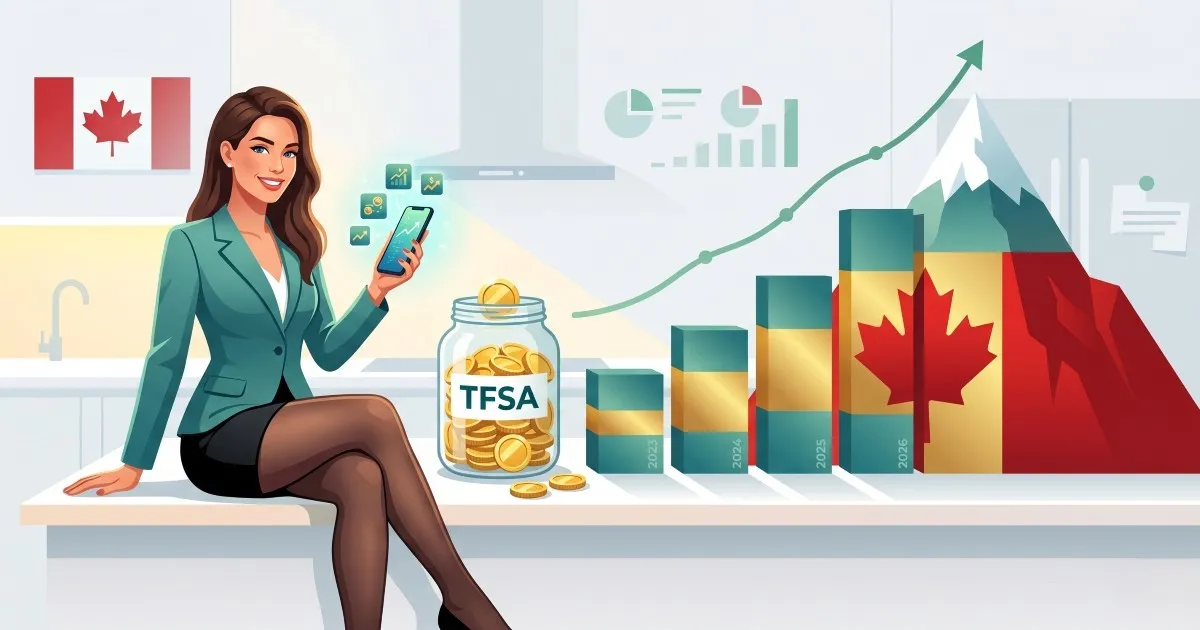
The TFSA looks boring until the math gets large. For Canadians eligible since 2009, steady annual contributions turned a simple tax shelter into a major compounding engine by 2026.
Crypto Cycles
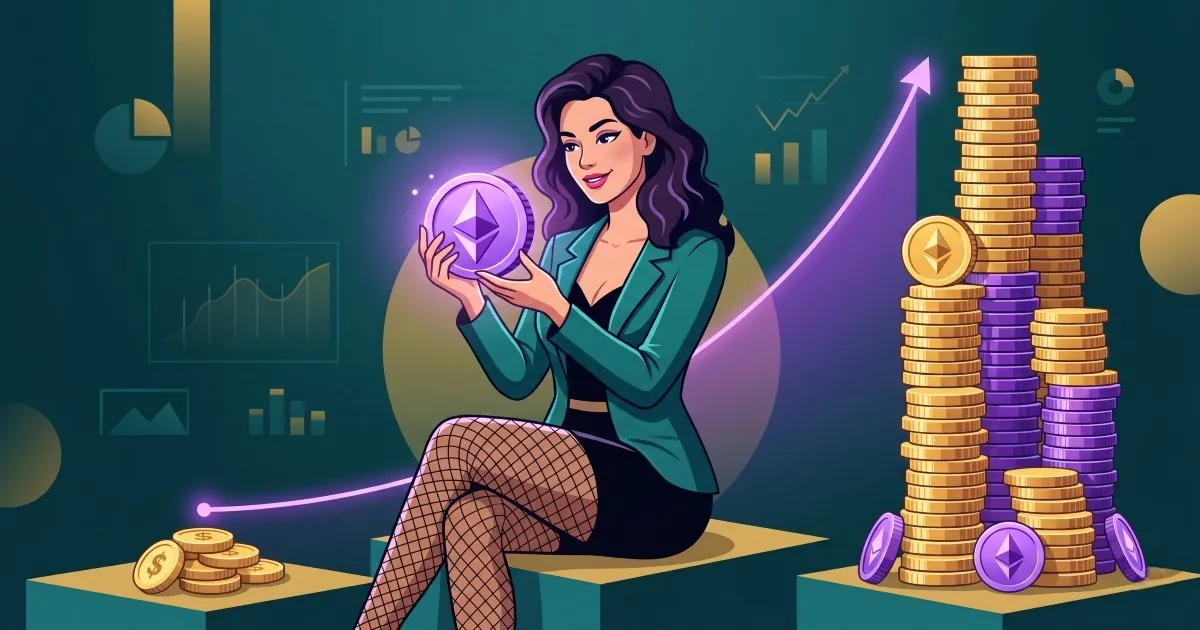
Ethereum did not start as a blue-chip crypto asset. It started as a risky funding bet, and a small early purchase turned into one of the wildest wealth-creation stories in modern markets.
Market Analysis
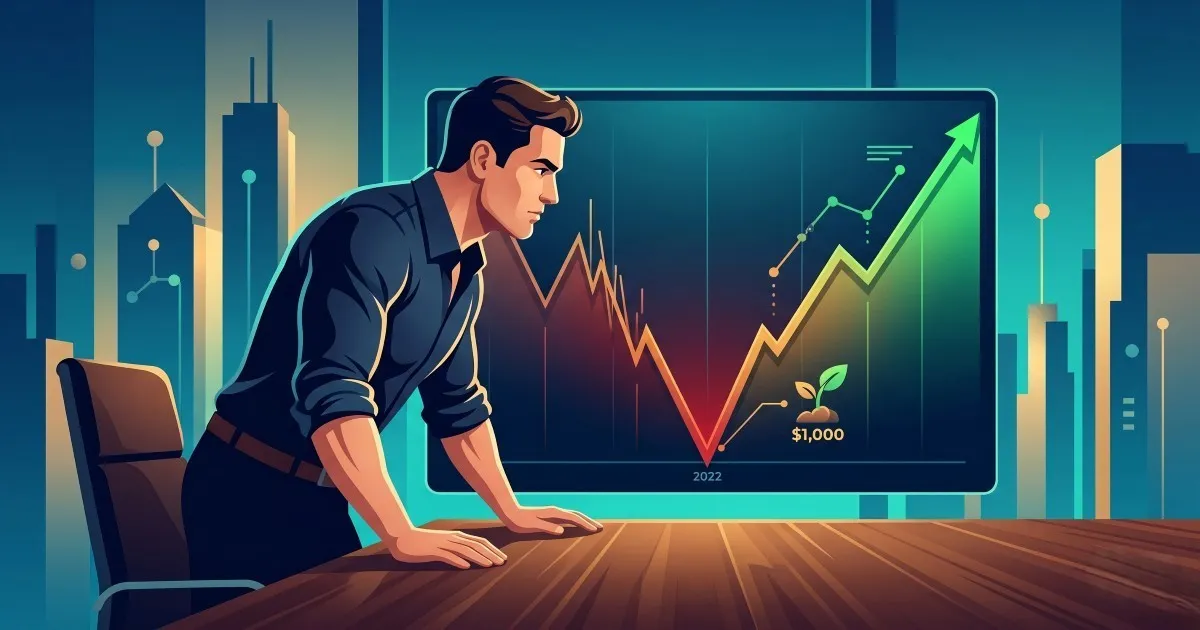
In October 2022, stocks felt toxic. A simple $1,000 purchase near the S&P 500 bear-market low turned into one of the clearest lessons of this cycle about fear, patience, and recovery.
Market Analysis
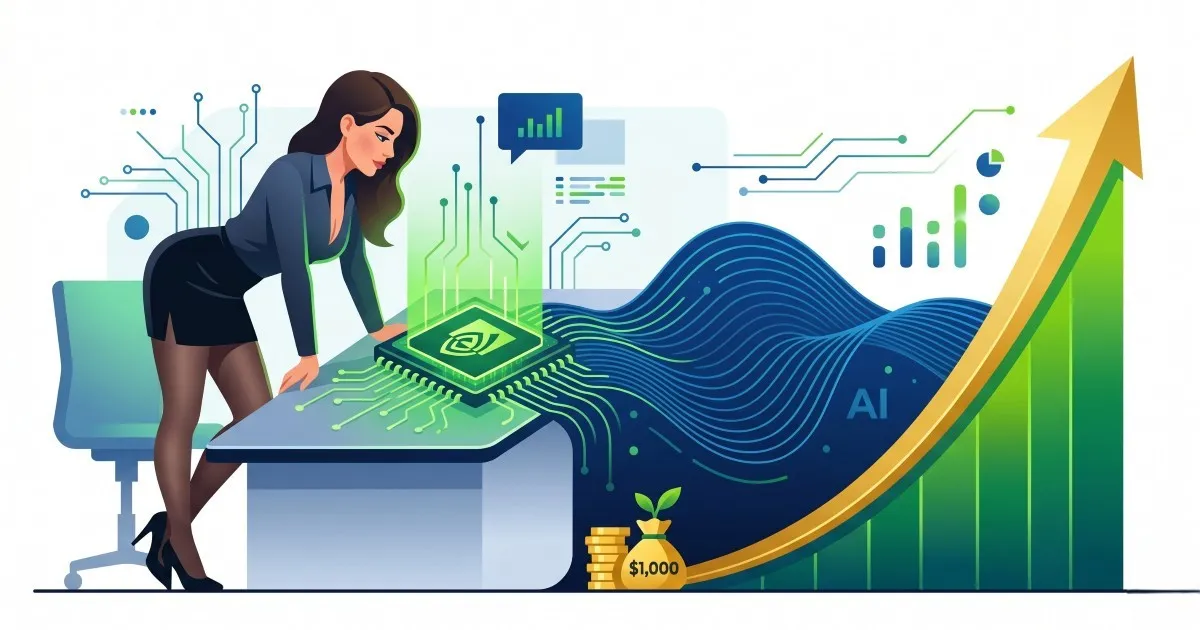
ChatGPT launched in late 2022, when Nvidia still looked bruised after a hard year. A simple $1,000 purchase that day turned into a sharp lesson about timing, conviction, and missed opportunities.

Market Analysis
What could a hypothetical $1,000 Apple investment made just after the 2007 iPhone announcement have become? Follow the split math, drawdowns, and long-term lessons.
Investment Education
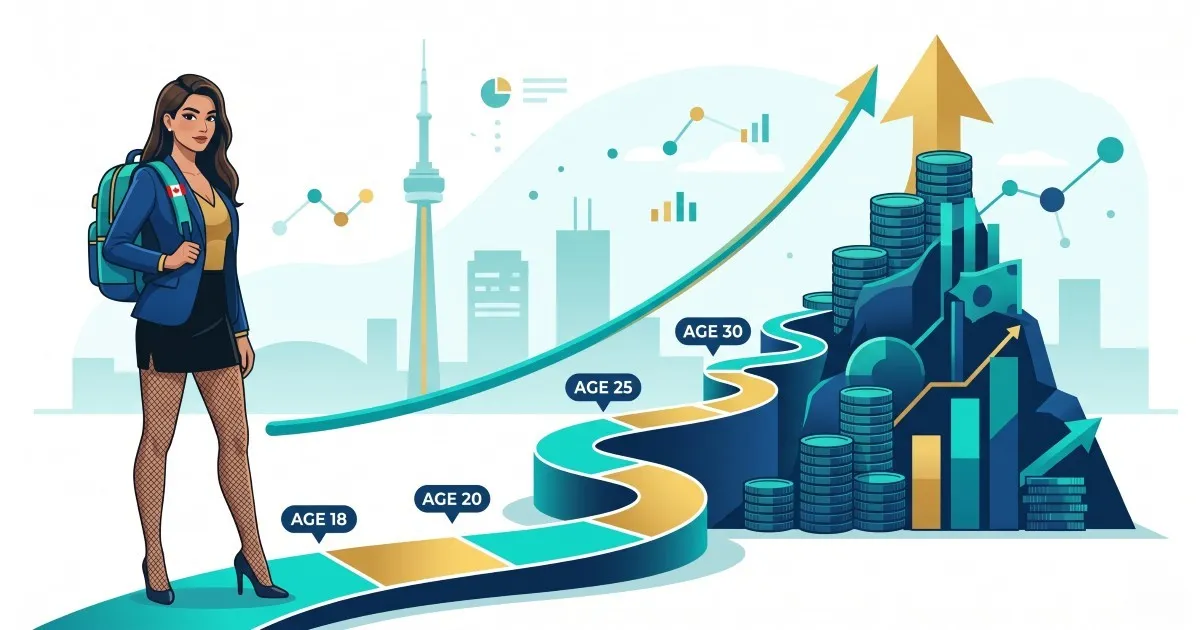
Many young adults do not consider the option to invest until they are 18, because they are more concerned with their schooling, their first job, or simply figuring out what they wi

Market Analysis
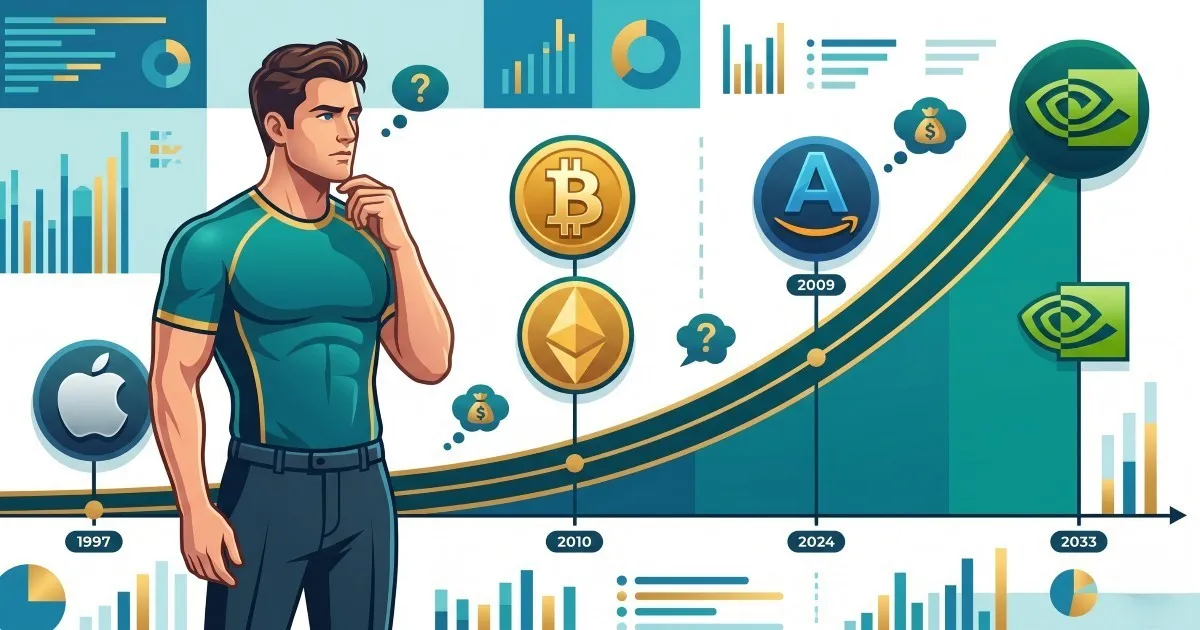
What could a hypothetical $1,000 investment in Amazon's 1997 IPO have become? Follow the stock splits, severe drawdowns, and long-term investing lessons.
Market Analysis
Every investor has at least one story. A stock they heard about and did nothing with. A company they considered buying before it took off. A crash that scared them out of the marke
Crypto Cycles
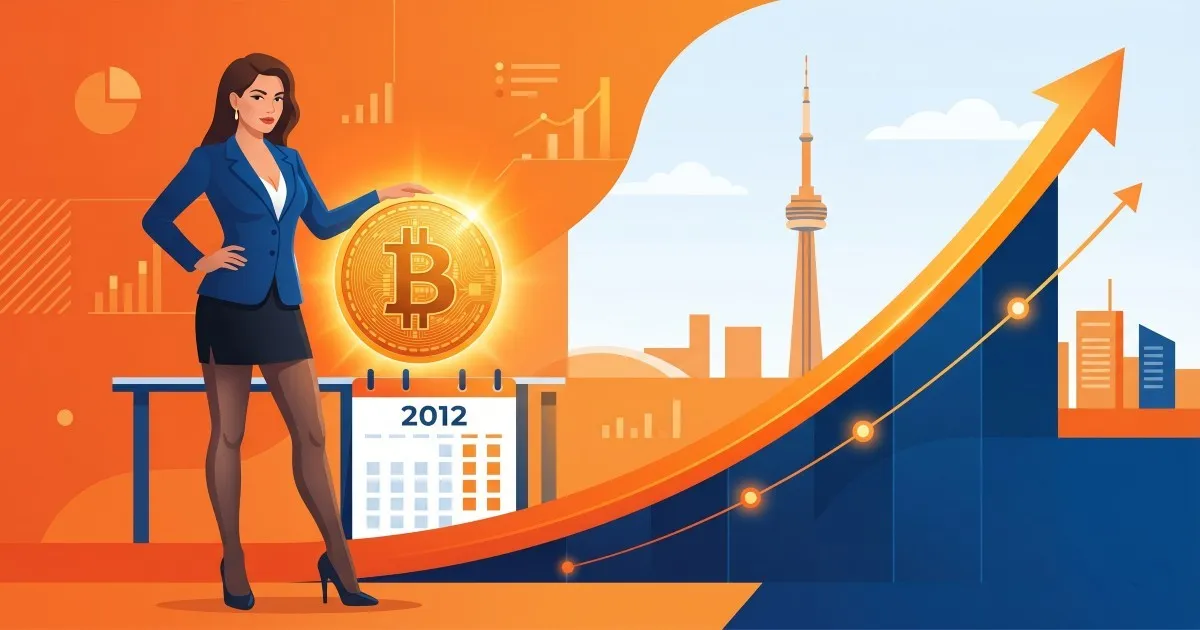
What could a hypothetical $1,000 Bitcoin purchase in January 2012 have become? Follow the return math, repeated drawdowns, custody risk, and long-term lessons.
Investment Education
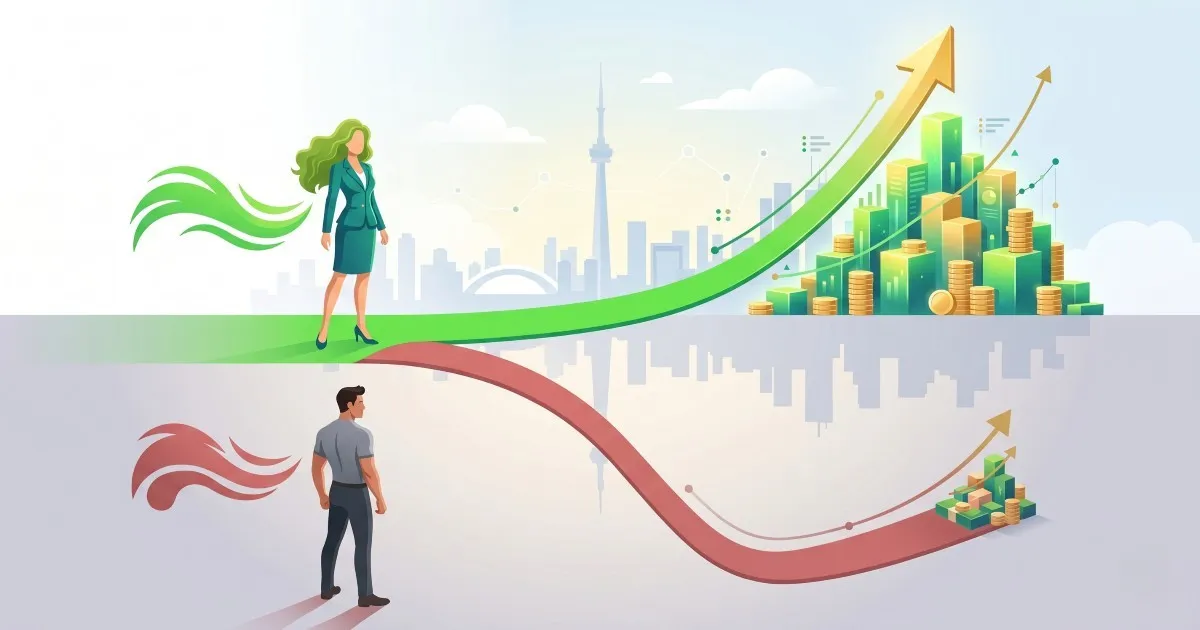
You might think that starting to invest can wait until later, after you've paid for things like rent, student loans, new tires for your car, and many more.
However, every time you
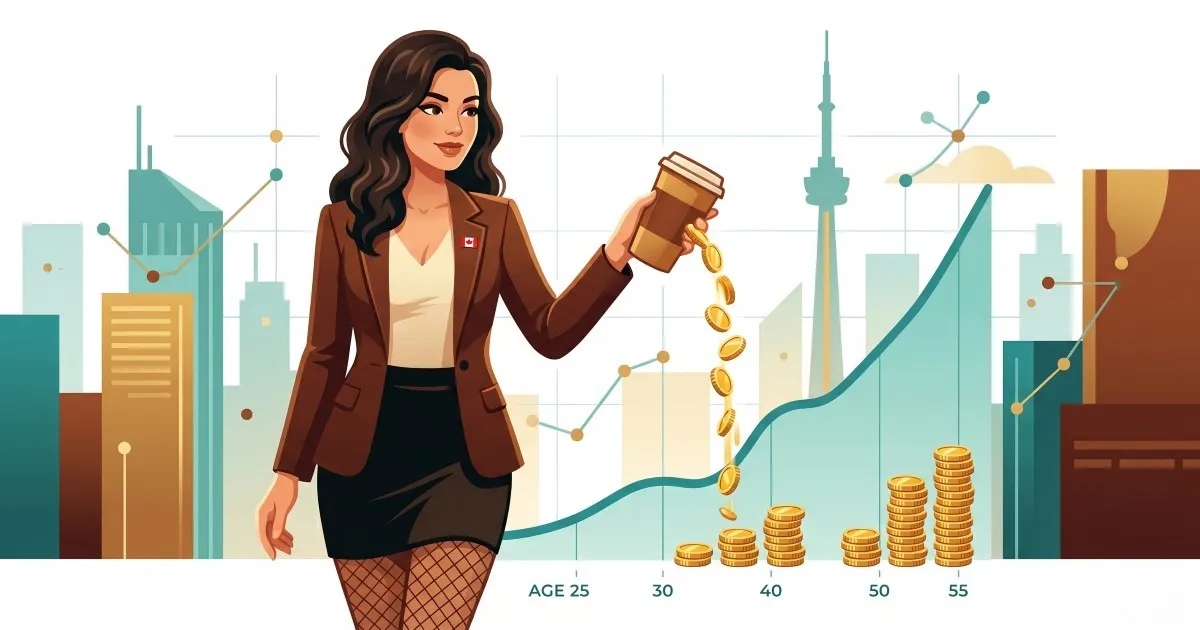
Investment Education
The 'latte factor' has been a common debate among many financial scholars. While critics claim that it is condescending as it implies that any financial difficulty is due to purcha

Investment Education
Homeownership versus renting creates lots of different opinions for financial reasons. Most homeowners believe they have more equity in their homes as opposed to throwing away mone

Investment Education
The term "opportunity cost" refers to the value of what you give up when you make a decision to buy something else. For example, if you spend $200 on a jacket, your opportunity cos
Investment Education
A human-friendly explanation of the Rule of 72, including how it works, where it is accurate, and how to use it for investing, savings, inflation, and debt.
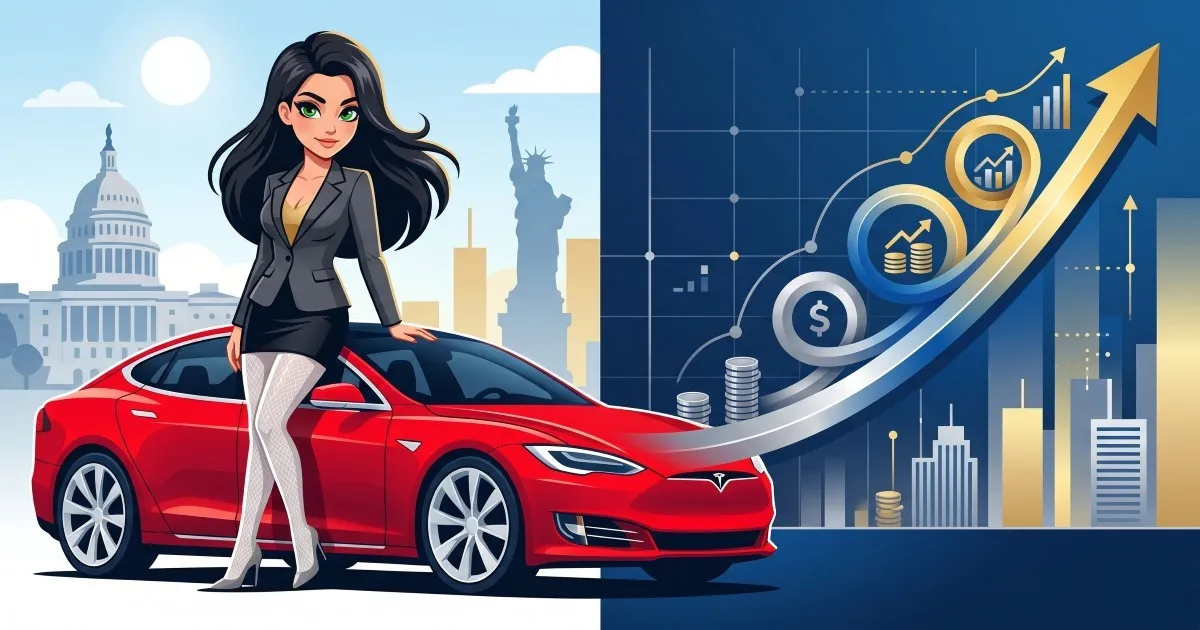
Market Analysis
Despite the success of Tesla today, in 2012 it was still a money-losing electric vehicle startup that had just barely avoided bankruptcy, thanks to Elon Musk's personal loan to kee

Investment Education
Time value of money explained with clear present-value and future-value examples for everyday investing decisions.
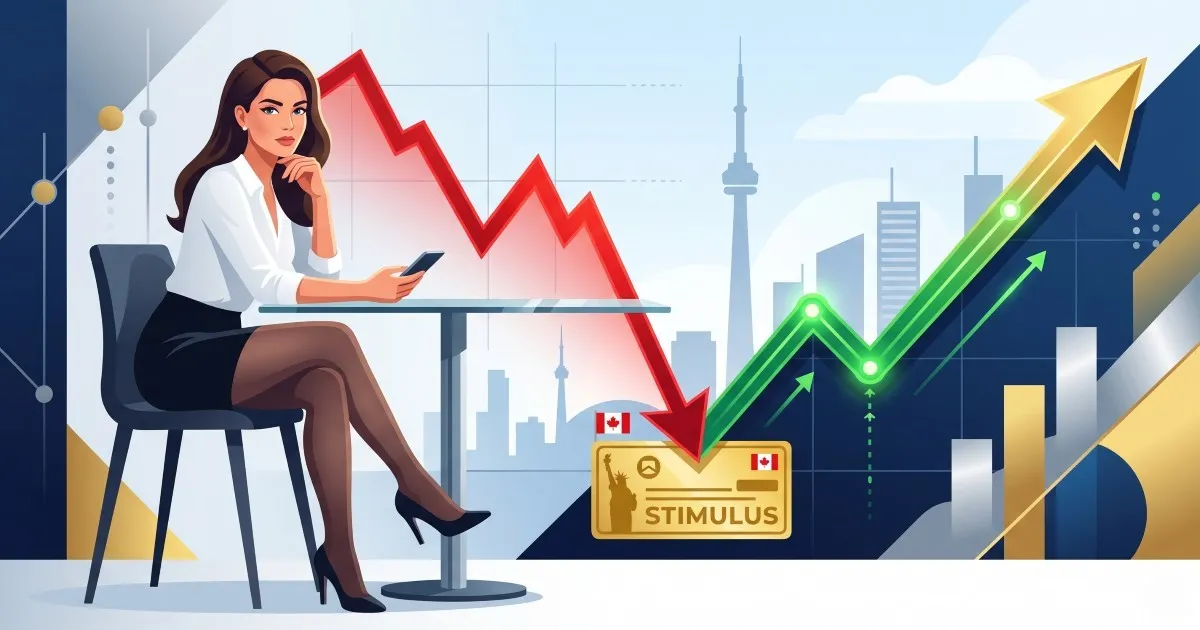
Market Analysis
At the height of February 2020, stock prices began to tumble. However, by the end of March, the S&P 500 had plunged approximately 34 percent within a mere 33 days – one of the fast
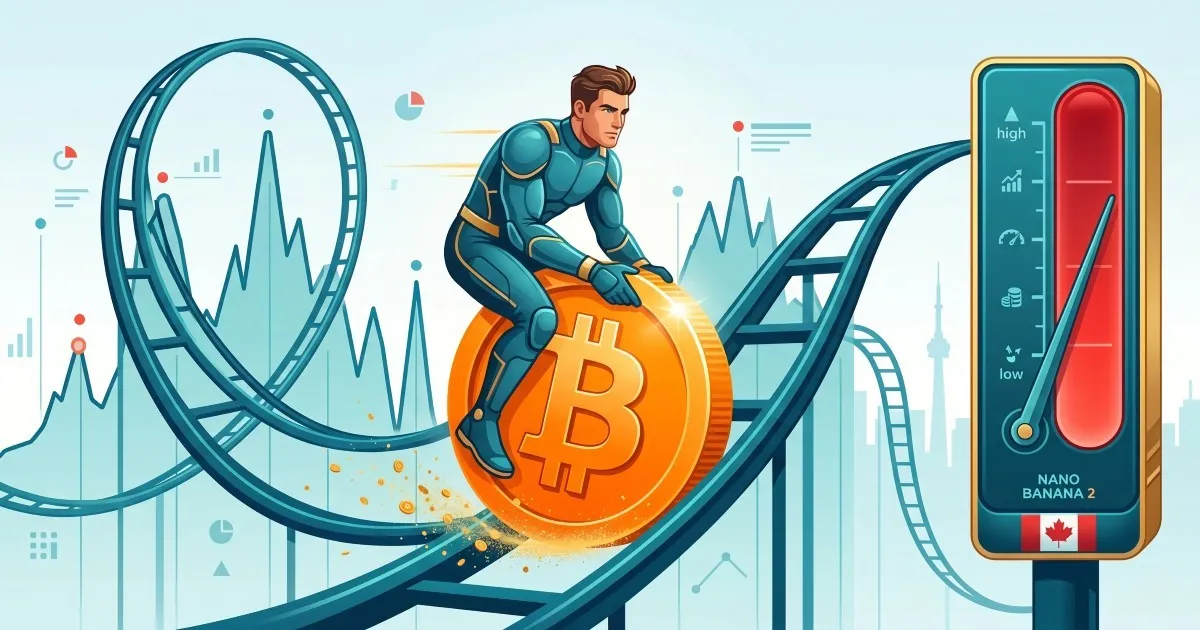
Crypto Cycles
Bitcoin has generated wealth for countless individuals, but equally as many have lost wealth from Bitcoin, as well as retirement savings, and are impacted by real financial loss be
Investment Education
Everyone remembers the winners. Amazon. eBay. Google. The companies that survived the late-1990s internet boom are so familiar today that the era can look inevitable in hindsight.
Investment Education
Investing in oil at an all-time high can induce an overwhelming amount of FOMO or 'fear of missing out'. Crude oil prices have risen to record highs, exceeding $100 or more per bar
Investment Education
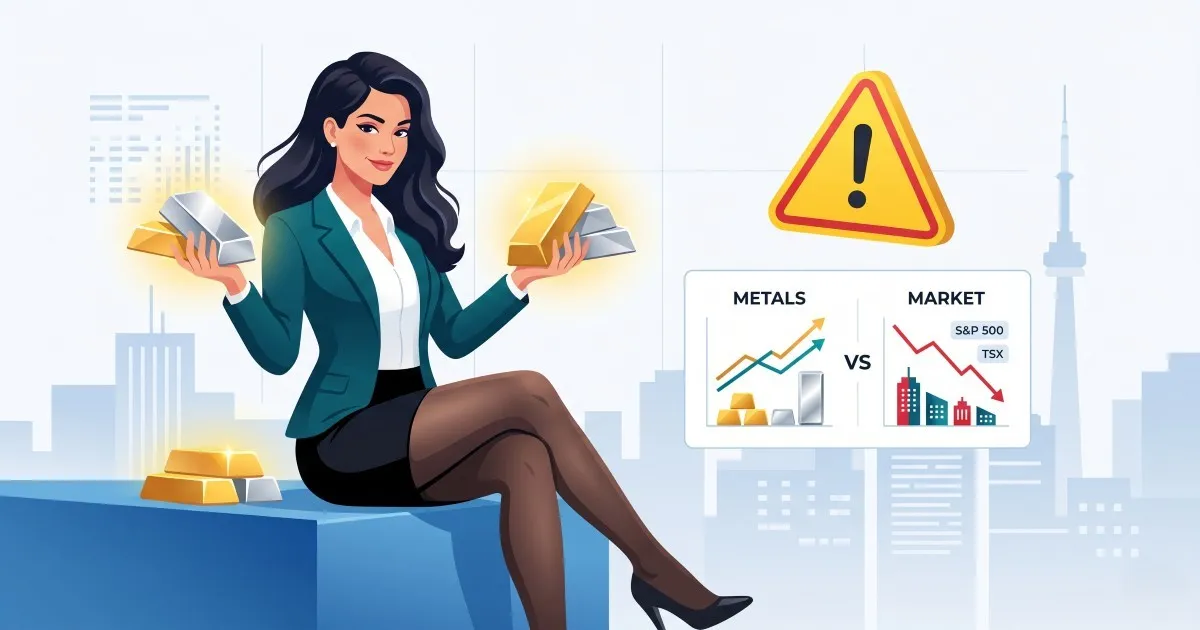
How gold, silver, and copper narratives trigger FOMO, and how to evaluate metals exposure without chasing headlines.
Investment Education
Wars take place in different locations, and the financial consequences of those conflicts are not always contained to just that geographic area.
Investment Education
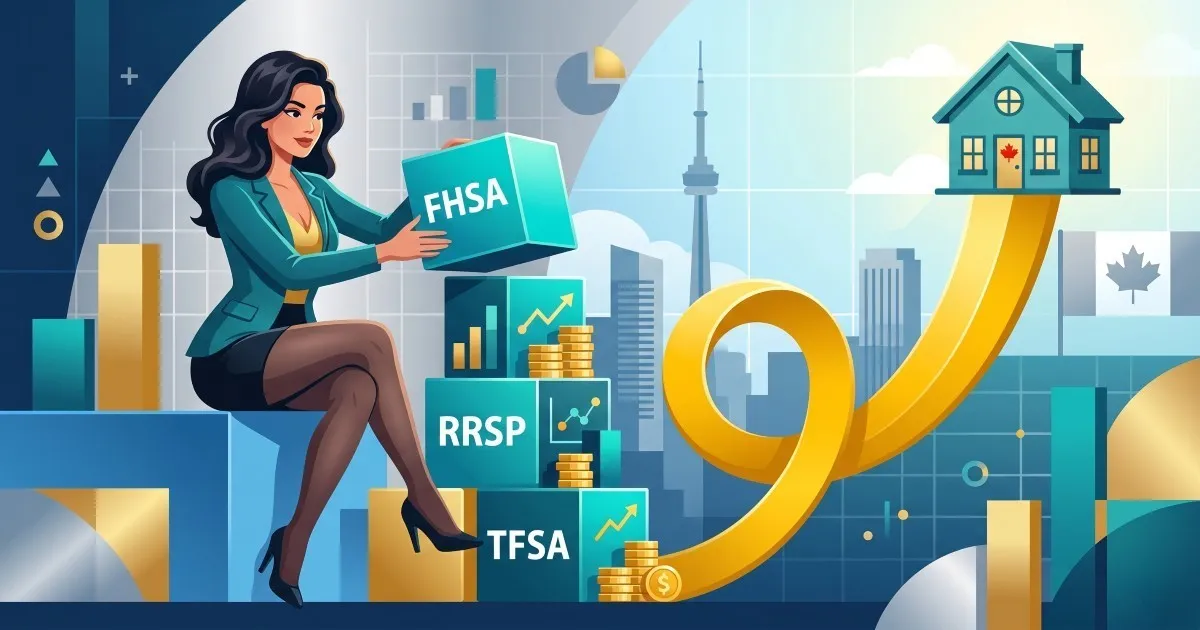
Learn how the FHSA, RRSP Home Buyers' Plan, and TFSA can work together for a first home purchase in Canada, including current 2026 limits and planning considerations.
Investment Education
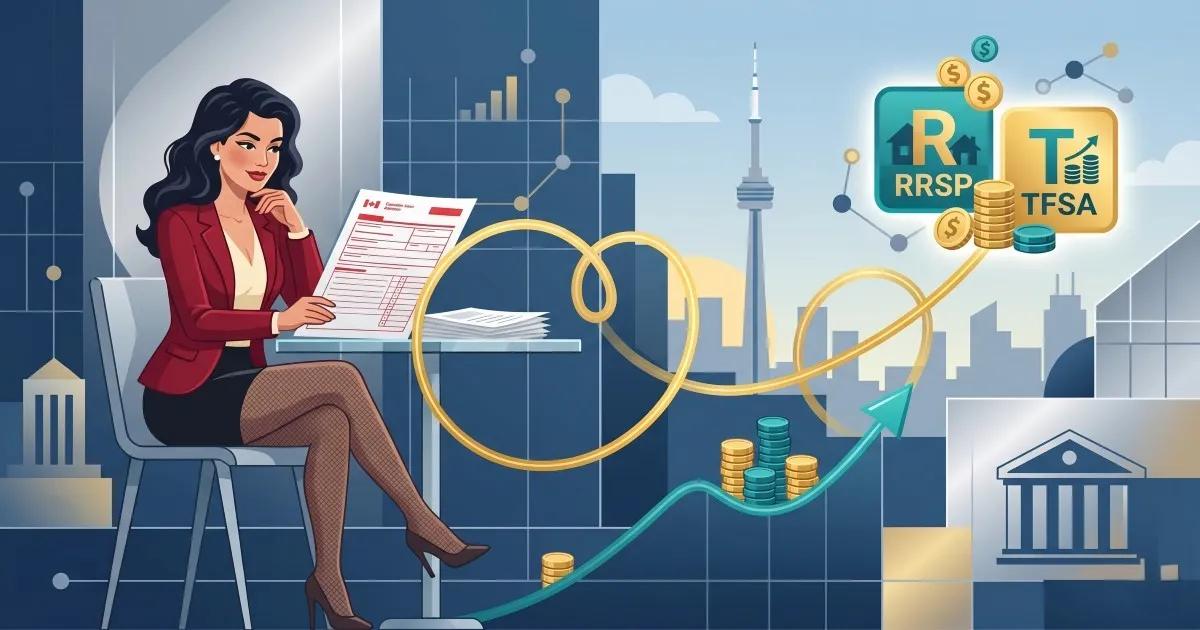
Use the rest of 2026 to organize RRSP room, credits, deductions, records, and tax planning before filing your 2026 Canadian tax return in 2027.
Investment Education
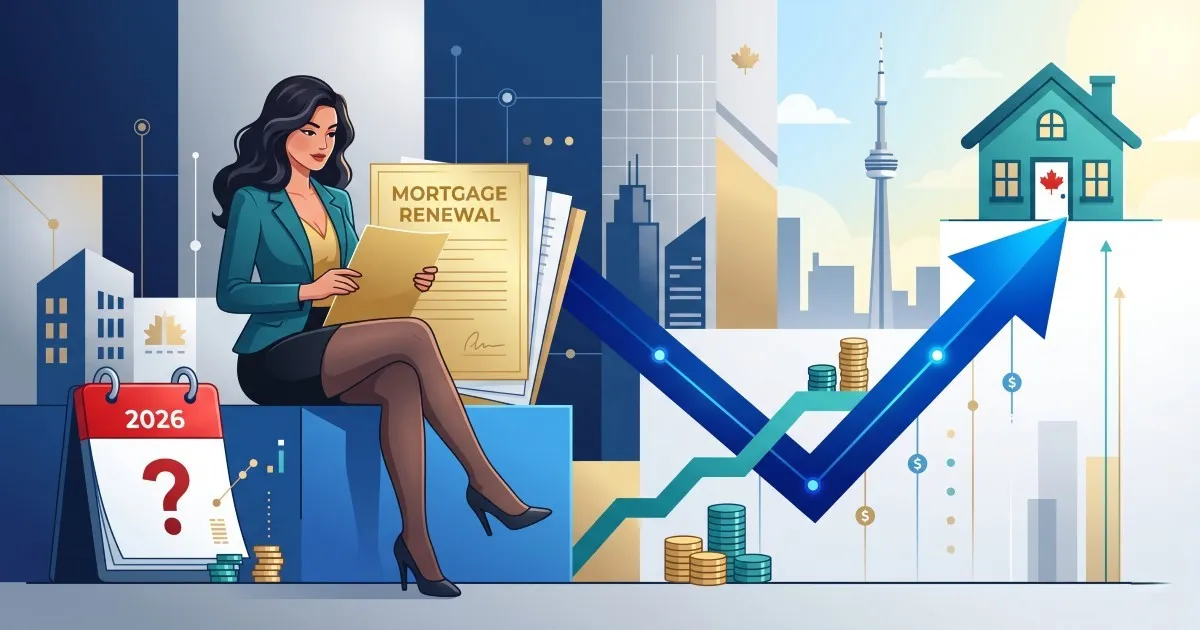
If you have a mortgage that will need to be renewed in 2026, you're part of a significant number of Canadians in the same boat who will also be renewing at the same time. Many of t
Investment Education
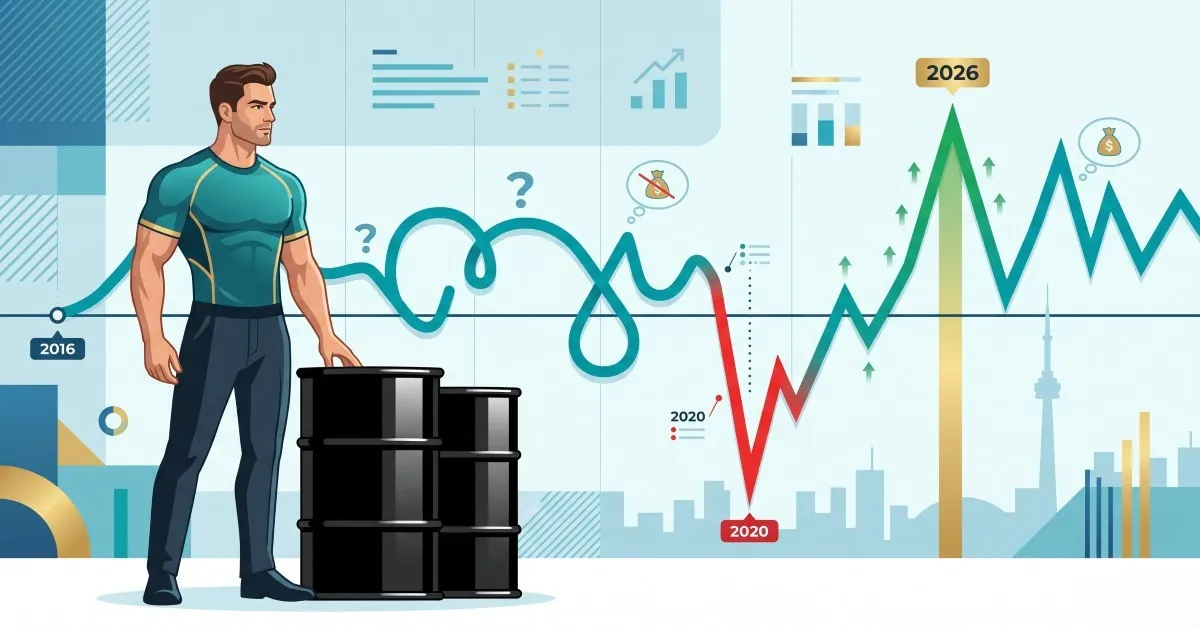
If you were paying attention to the oil markets from 2014-2022, you'd remember that prices dropped over 50%, occasionally went below $0, and then increased by more than 300%, all i
Investment Education
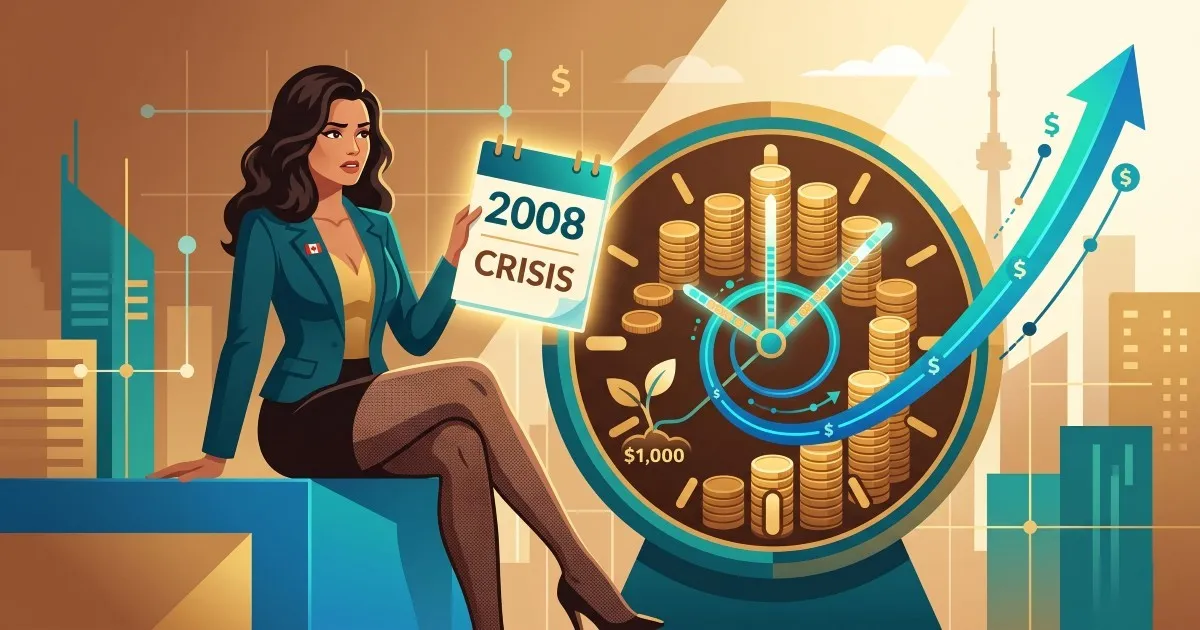
Read all the 2008 financial crisis narratives, and you'll see a drastic contrast between reading those and having lived through the pain of being an investor in 2008. Reading the h
Investment Education
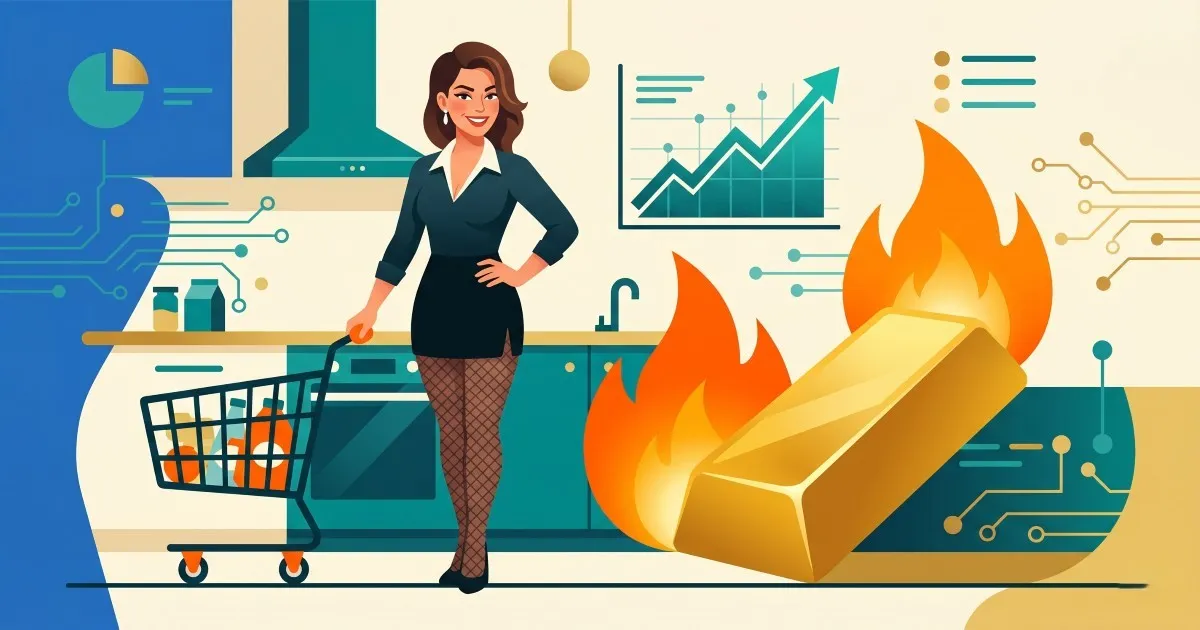
Many people today have never seen inflation radically change their lives. It is difficult to deal with inflation increases of 2% to 5% in one year, but when prices rise 10%, 12% or
Dividend Snowball
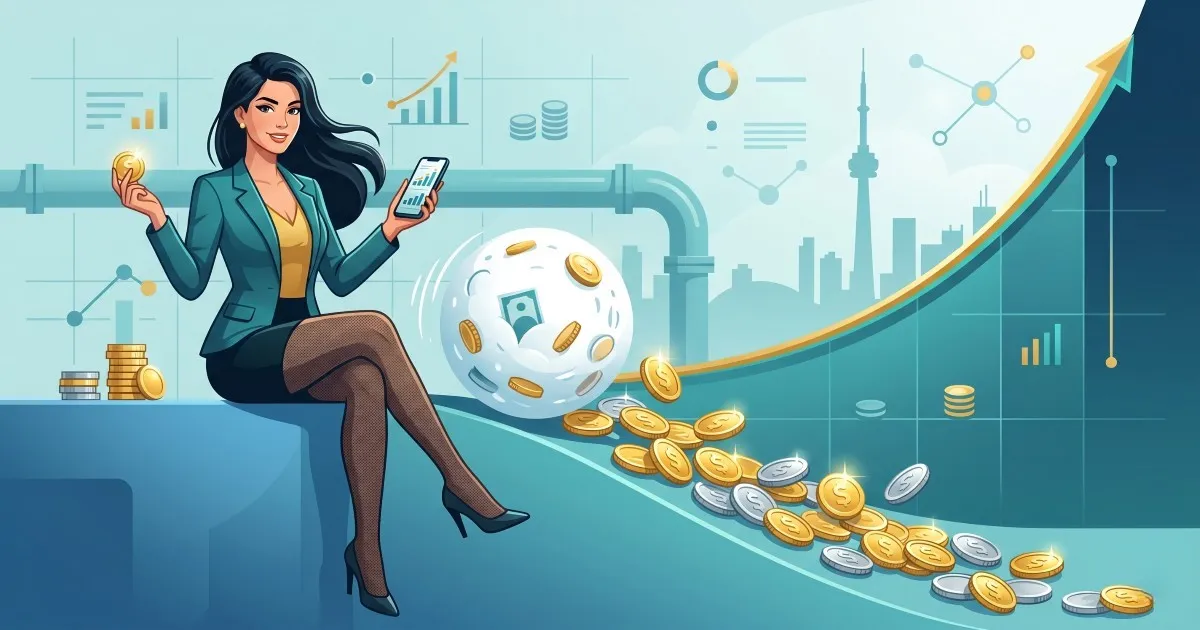
Investing in stocks is typically thought of as an easy process: buy the stock, hope the stock increases in value, sell for a profit. While this is one view of investing in stocks,